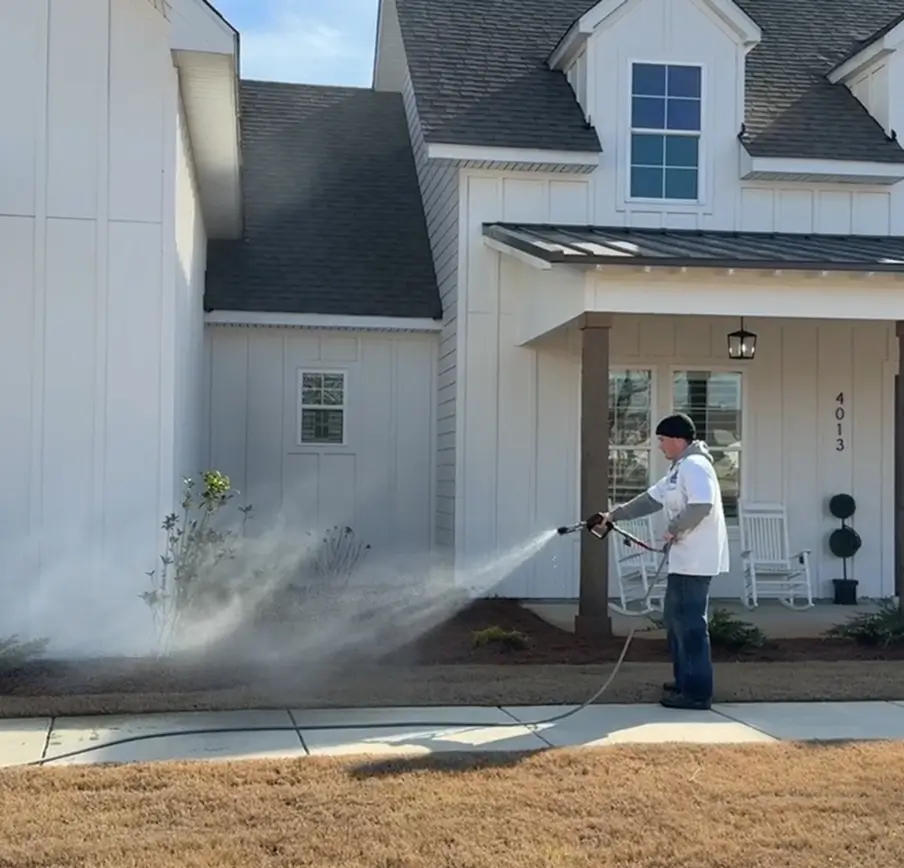
Not every surface on your home should be cleaned with pressure. In fact, many of the most important parts of your house can be damaged by high-pressure water. That’s where soft washing comes in.
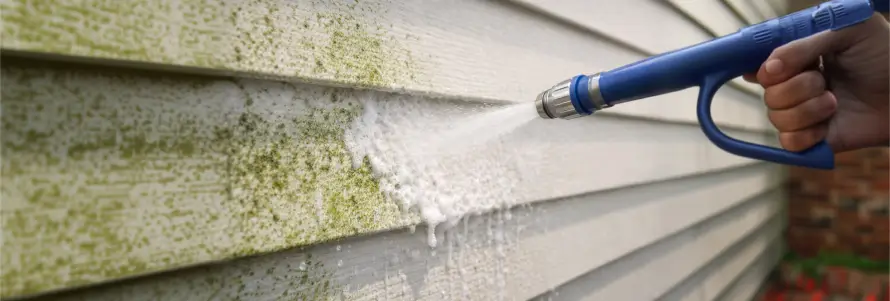
House washing, or soft washing, is a low-pressure cleaning method that safely removes dirt, mold, mildew, algae, and bacteria using specialized cleaning solutions instead of force. It is the preferred and recommended way to clean siding, roofs, painted surfaces, and other delicate materials.
This page explains what soft washing is, how it’s different from pressure washing, what problems it solves, and how we protect your home, landscaping, and outdoor spaces while doing it.
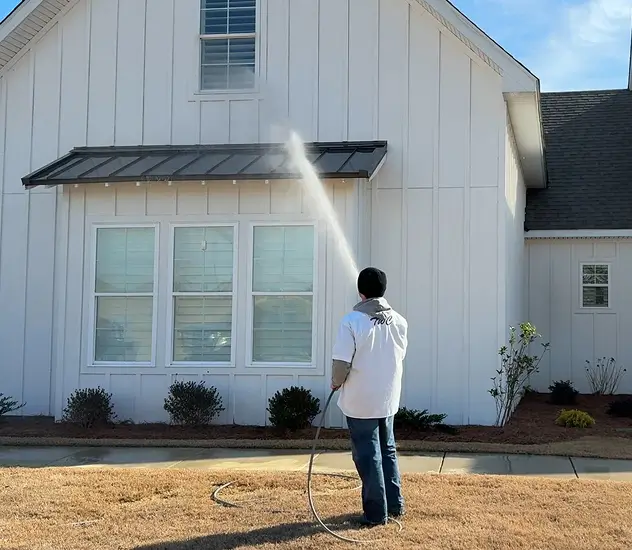
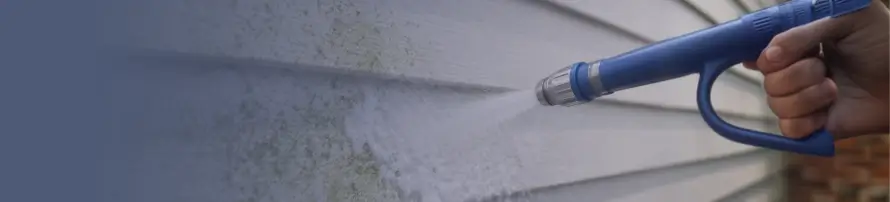
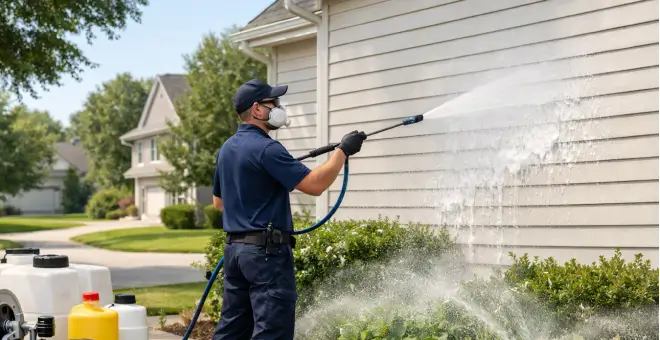
Soft washing uses low water pressure—about the same force as a garden hose—combined with professional cleaning solutions to gently clean exterior surfaces.
Instead of blasting dirt away, soft washing works by:
Breaking down grime
Killing mold and algae at the root
Lifting stains off surfaces
Rinsing everything clean without damage
Think of it like washing your hands with soap instead of scraping them clean with sandpaper.
The Clear Difference
The Clear Difference Between Soft Washing and Pressure Washing
This is important, so let’s be very clear.
Pressure Washing:
Uses high water pressure
Best for hard surfaces like concrete and brick
Can damage siding, roofs, and wood if used incorrectly
Soft Washing:
Uses low pressure
Designed for delicate surfaces
Cleans deeper and lasts longer
Kills organic growth instead of just removing the surface layer
If pressure washing is a hammer, soft washing is a scalpel.
Expert Cleaning
Surfaces That Should Be Soft Washed
Soft washing is the safest and most effective option for:
Vinyl siding
Painted siding
Stucco
Soffits and fascia
Roof shingles
Exterior trim
Gutters (outside surfaces)
Screens and enclosures
These materials can be permanently damaged by high pressure. Soft washing protects them while still delivering a deep clean.
Solves Real Issues
The Real Problems Soft Washing Solves
1
Mold, Mildew, and Algae That Keep Coming Back
If you’ve pressure washed siding before and noticed stains returning quickly, here’s why: pressure washing often removes the visible growth but does not kill it.
Soft washing treats the root of the problem. By killing mold and algae spores, surfaces stay cleaner much longer.
2
Streaks, Tiger Stripes, and Uneven Cleaning
High pressure on siding often leaves lines, shadows, and uneven results. Soft washing cleans evenly from top to bottom without streaking.
3
Fading and Surface Damage
Pressure can:
Force water behind siding
Strip oxidation unevenly
Chip paint
Tear wood fibers
Soft washing avoids all of that.
4
Roof Damage and Shortened Roof Life
Roofs should never be pressure washed. High pressure can:
Remove protective granules
Void warranties
Shorten roof lifespan
Soft washing safely removes black streaks, algae, and moss without harming shingles.
5
Health and Air Quality Issues
Mold and mildew release spores that travel through the air and collect around windows, doors, and outdoor living areas. Soft washing reduces these allergens safely.
Effective Cleaning
Why Chemicals Are Necessary (and Why That’s Not a Bad Thing)
Water alone can’t kill living growth. Mold, mildew, and algae are organisms, not just dirt.
Soft washing uses professional cleaning solutions that:
Kill organic growth at the source
Break down grime and stains
Prevent fast regrowth
These solutions are applied carefully, allowed to work, and then thoroughly rinsed.
The key is howthey’re used.
Safe for Your Home
How We Protect Plants,Wood, and Outdoor Spaces
Soft washing is safe when done correctly. Our process includes built-in protection steps on every job.
1
Full Plant Pre-Rinse
We soak all surrounding landscaping before applying any cleaning solution. This protects leaves, roots, and soil.
2
Controlled Application
We apply only what’s needed, exactly where it’s needed. No flooding. No overspray.
3
Low Pressure at All Times
Our system relies on solution strength and dwell time—not force—so there’s no risk to siding, paint, or wood.
4
Thorough Rinse and Neutralization
All surfaces are rinsed completely. Plants receive a final rinse to remove any residue.
5
Surface Awareness
We adjust our approach depending on material, age, condition, and exposure. Every home is different.
Pro Tools Matter
Why Professional Equipment Still Matters for Soft Washing
Soft washing isn’t done with a pump sprayer from a hardware store.
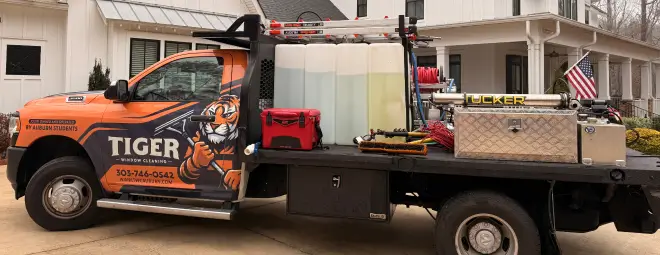
Our professional system is designed to:
Deliver consistent, even application
Control solution strength precisely
Rinse thoroughly without pressure spikes
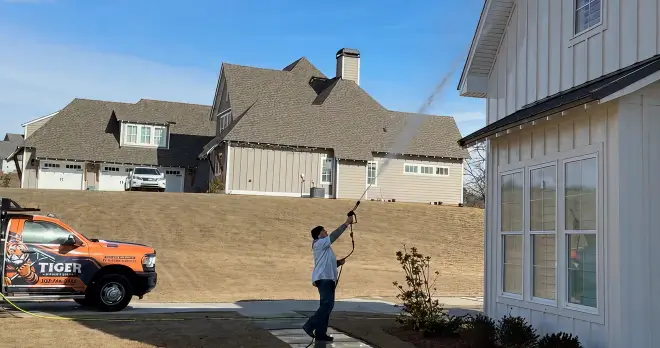
Reach high areas safely without ladders
Proper equipment means better results and less risk.
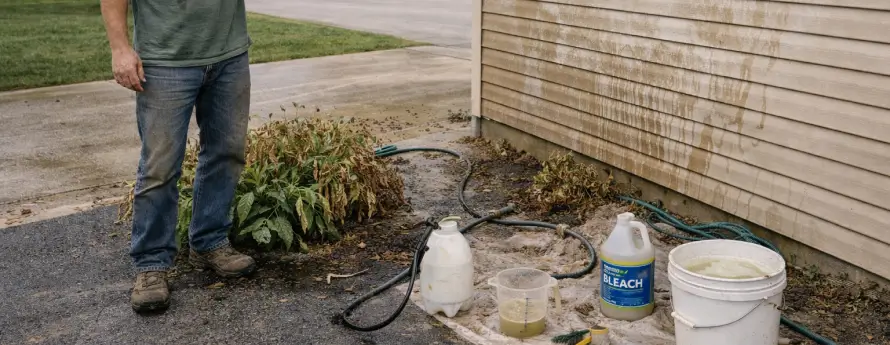
Homeowners sometimes attempt soft washing using online recipes or store-bought chemicals. Common problems include:
Burned plants
Faded siding
Sticky residue
Uneven cleaning
Strong chemical smells
Damage from incorrect mixing
Professional soft washing requires knowledge, training, and the right system—not guesswork.
Lasting Results
How Long Soft Washing Results Last
Because soft washing kills growth at the root, results typically last much longer than pressure washing.
Many homeowners see clean siding and roofs for:
12–24 months
Longer in sunny, dry areas
Shorter in shaded or damp environments
This makes soft washing both safer and more cost-effective over time.
What We Deliver
What to Expect From Our Soft Washing Service
When we soft wash your home, you can expect:
Clear communication about what’s being cleaned
The correct method for each surface
Careful protection of plants and property
Even, streak-free results
A cleaner home that stays clean longer
We don’t rush, and we don’t cut corners.
Still Clean
How Often Should Soft Washing Be Done?
Most homes benefit from soft washing:
Siding: every 1–2 years
Roofs: as needed based on growth
Shaded or damp areas: more frequently
Homes near trees, water, or heavy humidity often need more regular cleaning.
Risk-Free Clean
The Safest Way to CleanYour Home’s Exterior
Soft washing exists for one reason: to clean your home without damaging it.
It’s the right choice for siding, roofs, and delicate surfaces. It solves problems pressure washing can’t—and avoids problems pressure washing can cause.
We use professional systems, proven methods, and careful processes to deliver results that look better and last longer, without putting your home or landscaping at risk.
A clean home should never come with damage. Soft washing makes sure it doesn’t.